-
- Author
- Cannon Financial Institute
-
- Published
- September 20, 2024
Blog
Interview with Fran DeMaris Award Winner Katrina Martin - Part 5
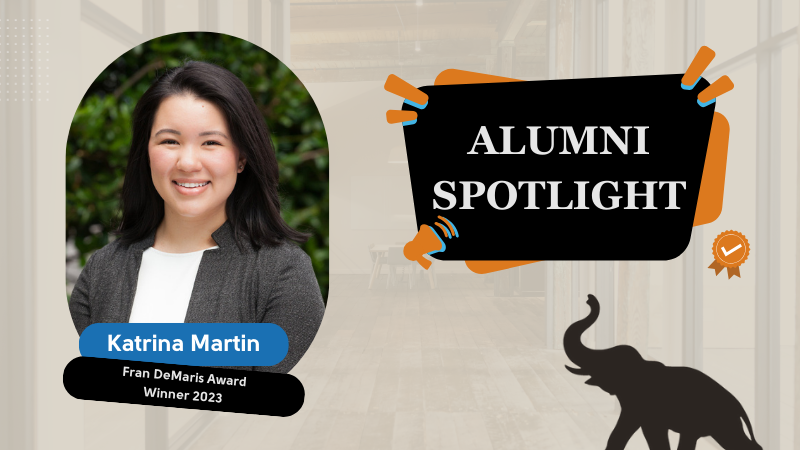
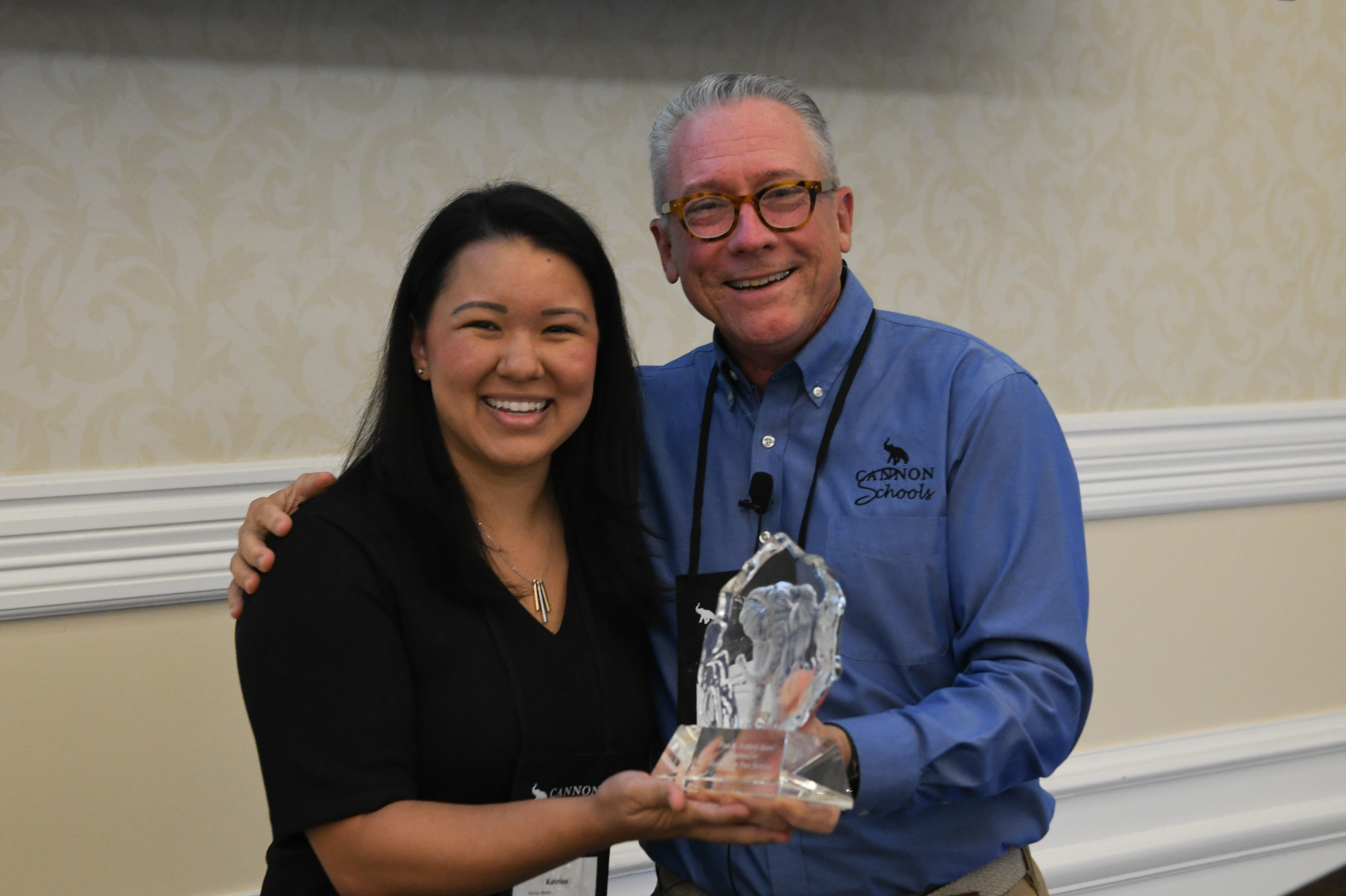
Cannon Financial Institute uses the Fran DeMaris Award to recognize outstanding individuals in the trust and estate planning industry who partake in their Trust School. Recently, Katrina Martin, a dedicated AVP and Trust Officer at Cumberland Trust, earned this prestigious accolade.
To earn the Fran DeMaris Award, a candidate must not only graduate from Cannon Trust School I and II with honors but also meet additional criteria, such as obtaining strong recommendations from supervisors and fulfilling other specific requirements.
In this five-part blog series, we spotlight Katrina's journey, exploring how her experience with Cannon Financial Institute helped shape her career and solidify her passion for the industry.
Advice for Future Students
Katrina Martin’s journey through Cannon Trust School has been marked by personal growth, professional development, and an unwavering commitment to the trust industry. As someone who has successfully navigated the program, Katrina offers valuable advice for future students considering enrolling at Cannon. Her insights are grounded in her own experiences and are aimed at helping others make the most of their time in the program.
One of Katrina’s key recommendations for prospective students is to attend the in-person classes if possible. While she completed the program remotely due to personal circumstances, she recognizes the unique benefits of attending classes on-site. The immersive environment, combined with the opportunity to network face-to-face with peers and instructors, can significantly enhance the learning experience.
“I would encourage them to attend in person if they can,” Katrina advises. “It allows for a deeper focus on professional development.” Being physically present in the classroom not only facilitates better engagement with the material but also provides a chance to form lasting connections with fellow students, which can be invaluable as they progress in their careers.
Katrina also emphasizes the importance of actively participating in the program. She encourages future students to make the most of the learning opportunity by asking questions and engaging with the instructors. This proactive approach goes beyond simply preparing for the CTFA™ exam; it’s about truly absorbing the knowledge and applying it in real-world situations.
“My other advice to students would be to not only focus on learning the material, but also to ask as many questions as possible to learn as much as they can from these instructors,” she says. Katrina found that the insights shared by instructors during classes often went beyond the textbook, offering practical wisdom drawn from their own experiences in the industry. These lessons have proven invaluable to her in her role as a Trust Officer, where she regularly draws on the knowledge she gained at Cannon.
For those contemplating a career as a Trust Officer, Katrina stresses the importance of possessing a genuine love for learning and a strong commitment to client service. The trust industry is complex and constantly evolving, with new regulations, tax laws, and estate planning strategies emerging regularly. This requires professionals in the field to be lifelong learners, continually updating their knowledge and skills to stay current.
“Anybody who is interested in the trust industry would have to have two characteristics,” Katrina explains. “They have to have a love for learning, and they have to enjoy the client service aspect as well.” These qualities are essential not only for navigating the technical aspects of the industry but also for building and maintaining strong relationships with clients, who often entrust their most valuable assets to their care.
Katrina also underscores the importance of people skills in the trust industry, which she believes are often overlooked. While technical knowledge in areas such as law, finance, and tax is crucial, the ability to connect with clients on a personal level and make them feel comfortable is equally important.
“You have to have people skills in this industry,” Katrina notes. “At the end of the day, you have to be able to talk to people and make them feel comfortable. We are administering a trust that often represents a significant amount of people’s life earnings and wealth.” For Katrina, the trust industry is not just about managing assets; it’s about understanding the significance of those assets in the lives of her clients and treating them with the care and respect they deserve.
Katrina’s advice is clear: To succeed at Cannon and in the trust industry, future students must be dedicated, curious, and genuinely interested in serving others. By fully engaging with the program, taking advantage of flexible learning opportunities, and embracing a lifelong commitment to learning, students can maximize their experience at Cannon and set themselves up for a rewarding career in trust and estate planning.
As someone who has walked this path and emerged stronger, Katrina’s insights offer valuable guidance for those considering a similar journey. Her experiences underscore the importance of making the most of every opportunity that Cannon provides, ensuring that future students can achieve their full potential in this dynamic and impactful industry.