
-
- Published
- March 31, 2026
Videos > The Cannon Connect > Podcasts > Women in Wealth Series
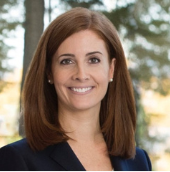
Women in Wealth: Guest Lauren Davis
In this episode of the Women in Wealth series, Phil sits down with Lauren Davis, Vice President and Client Advisor at Bessemer Trust, to explore her unexpected and deeply rewarding journey into wealth management; shaped by strong mentors, innate curiosity, and a genuine passion for guiding families through pivotal life transitions. She discusses the deeply human side of advising ultra‑high‑net‑worth clients, where problem‑solving, calm guidance, and multi‑generational communication matter far more than portfolio mechanics. The episode explores how intentional planning around liquidity events, leadership transitions, and succession can preserve family unity and strengthen advisor relationships. Lauren also reflects on the rising generation entering the industry, emphasizing the value of in‑person connection, thoughtful use of technology, and the hunger younger professionals have for mentorship and growth. Explore a powerful lens into how purposeful communication, generational alignment, and trusted advisory partnerships are reshaping what excellence looks like in ultra‑wealth planning.
Resources:
Phil on LinkedIn
Lauren on LinkedIn
Transcript
Phil: So, Lauren, I'm always curious—what type of automobile do you drive?
Lauren: I drive a trusty, tried-and-true Lexus SUV.
Phil: Okay, so an SUV. That means you're an outdoorsy person? Do you go rock climbing, drive to the mountains, or do you just like being able to haul stuff?
Lauren: I think it’s a little bit of both. I actually love to hike. My husband and I did some "fourteeners" in Colorado last summer, which was my first time tackling a mountain that size. Maybe we'll do something even bigger in the future. So, I’d say it’s a blend of the two. I also just like being high up in traffic so I can see what's going on.
Phil: I love it. It is amazing the influence those closest to us have. Were you a big hiker growing up?
Lauren: Yes, actually, that was one thing we did as a family. Growing up here in Atlanta, you’ve got the Appalachians not too far away, so we would take weekend trips.
Phil: Was that a criterion for a spouse? They had to be willing to climb the highest peaks?
Lauren: Absolutely.
Phil: When you have a partner focused on the ascent with you, it pays off in more ways than just getting to the top of a mountain. That’s amazing.
So, let me ask you this: you have built a very successful career in wealth management in a relatively short period. You’re also involved in nonprofit development; your CV is really impressive. If you had to describe your journey, was it a very intentional, well-thought-out plan, a combination of mentorship and luck, or are you just showing up every day eagerly awaiting what happens?
Lauren: I would definitely say it's a mix of mentorship and showing up eagerly. If you had told me in college that I would be a financial advisor, I probably would’ve laughed. Not that I didn’t love finance and economics, but it just wasn't the path I was on. Now that I’ve landed in wealth management, I absolutely love it. It’s so rewarding. You probably hear that a lot in this business, but it’s really true. It’s funny how a career evolves—it’s never a straight line, and I’ve really lived that through all the steps I've taken. I’m thankful for all those experiences.
Phil: Let's unpack those experiences for a moment. I do hear consistently on these programs how rewarding this work is, and that’s why I want to talk to people like you. I don’t want to talk to people who don’t find this work rewarding—they need to go do something else!
Luckily, in our industry, those people are few and far between. I often say wealth management isn't just a job; it’s a calling. You aren’t just dealing with commas, decimal points, and asset management; you’re dealing with families. That dynamic has the ability to create great things or destroy them. Our responsibility is to help influence that dynamic. That’s where the real reward comes from, right?
Lauren: Oh, absolutely. That’s where it’s at. It’s the honor and privilege of being a trusted advisor across multiple generations. I love working with younger generations and teaching them about stewardship, budgeting, and philanthropy. This is definitely a business for people who love others and care about service—being reliable and ready to help solve whatever problems come up.
When I talk to college students exploring career options, I always ask how much they enjoy interacting with others. If they don't love that, I nudge them toward portfolio manager or analyst roles where they aren't talking to clients as much.
Phil: I think you’re dead on. So, how did you get into your current role at Bessemer? That wasn't your first organization out of college—what did that journey look like?
Lauren: Most recently, I was with Morgan Stanley for a few years. Someone reached out about an opportunity at Bessemer just as I was completing my CFP. I was ready to take on greater responsibility and was already familiar with the firm through a friend from grad school at Emory. I love that Bessemer is a private, multi-family office; it offers a lot of freedom and flexibility in what we can do for clients.
Before that, I worked in nonprofit development. I decided to get my MBA at night while still working. If I had to do it over, I probably wouldn’t do it that way because juggling a fundraising campaign and night school was incredibly challenging, but it ended up being worth it. I talked to mentors and professors about career paths, and five different people independently urged me to explore wealth management. After several discovery conversations, I decided to make the change.
Phil: That is a great story. We were talking about family dynamics earlier. Part of our responsibility is helping with transitions, whether that's the sale of a business, transitioning to philanthropy, or a senior generation passing the torch. What intellectually and emotionally interests you most about working with ultra-high-net-worth clients? At that level, the "secret sauce" isn't just investment strategy or basic retirement planning. What keeps you passionate?
Lauren: I love to solve problems and be a sounding board. Clients like having someone they can bounce ideas off of or who can provide options they haven't considered. During times of transition—when there is a lot of uncertainty and change—people often feel overwhelmed. Knowing you have an expert you can call is incredibly rewarding.
My team works with many business owners who have recently sold a company. That’s a huge, life-changing moment. Helping them create a plan for their lifetime and their children’s lifetimes is very fulfilling.
Phil: I’m working on a project right now regarding business transitions. I've noticed that organizations that do this well focus on the family very early—pre-sale—to communicate what the path forward looks like. They engage the next generations to ask questions and get involved. Why do you think that’s so important?
Lauren: There is so much planning involved. You have to know where to put the money, how to title it, and what the tax implications are before the check arrives. Additionally, business owners use that as part of their interview process; they want to see that you have a plan ready, which builds trust.
Phil: I’ve never seen a family break apart because of a technical error in an estate plan; they break apart when the plan wasn't communicated. When stakeholders don't have the opportunity to express their views or understand the framework, things go sideways. I’m guessing your organization has received relationships from other firms because they didn't carry the family through that process?
Lauren: Absolutely. I was just on a Zoom call yesterday with a family involving the first and second generations. This was our third meeting specifically about how to communicate the plan to the third generation. That transparency is vital so that every family member feels like they are part of the conversation.
Phil: Exactly. When things are "done" to you, it feels heavy-handed. When you're part of the conversation, at least you were at the table.
I want to give a shout-out to your organization regarding leadership transition. It was announced about a year ago that Mark would be transitioning at the end of 2025 and Holly would be taking over. It was communicated so far in advance and so clearly—both internally and externally—that by the time it happened, it felt natural. It was a masterclass in leadership transition.
Lauren: I agree. They did a great job with that.
Phil: It proves there is always a next chapter. Now, regarding the next generation—the Gen Zs and Gen Alphas entering the workforce—what advice would you give them? You’ve hired quite a few younger colleagues recently. What leads them to success?
Lauren: I’ve noticed a real hunger for more in-person interaction. I would tell them to lean into that. While work-from-home flexibility is wonderful, showing up in the office and meeting clients in person creates much more meaningful connections.
The other thing is taking advantage of their fluency with technology. My younger colleagues are incredibly fast—another level of efficiency entirely. I think that speed will actually free us up to spend more time with clients rather than being tied down by administrative tasks.
Phil: I absolutely agree. I’ve told my daughters, who are also in the business, that our job is to "make music"—creating human experiences. You can listen to a band on Spotify, but a live concert is an entirely different experience. That’s the difference between a Zoom call and a face-to-face meeting.
Regarding development, I can tell you're a great mentee because you're coachable. Talk to me about the influence of mentorship in your life and how you’re mentoring others now.
Lauren: I’m extremely grateful for my mentors, especially a handful of women who modeled how to be a leader. I’m now transitioning into the stage where I’m more of a mentor myself. It’s a new, slightly scary experience because you don't want to give the wrong advice, but I love the teaching mindset. I meet with a team member once a week who is fresh out of college; I remember what it was like to drink from that fire hose. Outside the office, I’ve also worked with organizations that help local entrepreneurs with business plans.
Phil: There's a story about how every well-lived life needs three people: a "Paul" (mentor), a "Barnabas" (peer accountability partner), and a "Peter" (mentee). When you have all three, it’s hard to get off track.
Final question: If you could go back and give one piece of advice to 23-year-old Lauren Davis, what would it be?
Lauren: Without a doubt, I would tell her: "You’ve got this. Have confidence in your abilities." My early twenties were a time of a lot of doubt. I’d encourage her to keep trucking and know that her efforts will be rewarded.
Phil: I love that. Sarah Blakely, the founder of Spanx, says her dad used to ask her every night what she failed at that day. It wasn't to embarrass her; it was to make her comfortable with taking risks. That leads to the mindset you just described: "You've got this."
Lauren Davis, you represent what is right about the wealth management industry. You set a great example for your colleagues and for what clients seek in an advisor. Thank you for being part of this podcast.
Lauren: Thank you so much for having me. It’s been an honor.
Related Resources
First Friday Feedback: May 2026
Episode 747 - Take the Step Backward